Essential Strategies for Exam Success: Chemistry Tutoring That Truly Helps
Achieving success in chemistry exams necessitates a strategic approach. Comprehending fundamental concepts is critical, as is embracing active learning. Effective tutoring entails focusing on problem-solving and utilizing visual aids. Furthermore, time management contributes significantly in academic performance. By implementing collaborative learning and regular assessments, students can boost their understanding. These foundational strategies establish the foundation for improved outcomes, but the specifics of their application can be transformative.
Understanding Basic Principles
Grasping core ideas provides the groundwork for scholastic excellence. Within the field of chemistry, comprehending core principles including atomic structure, chemical bonding, and stoichiometry is critical. These concepts not only form the basis for more complex theories but also enable students to connect various topics within the subject.
When learners understand these basic principles, they are better equipped to tackle higher-level issues and applications. For example, a strong understanding of the periodic table provides simpler comprehension of chemical interactions and properties of elements.
Furthermore, knowledge of fundamental concepts cultivates confidence in students, reducing anxiety during exams. This confidence encourages a more thorough engagement with the material, contributing to enhanced retention and recall. Eventually, focusing on the understanding of these core concepts lays the groundwork for success in exams and future academic pursuits within the field of chemistry.

Active Learning Techniques
Founded upon a solid understanding of fundamental concepts, students can improve their learning experience through active learning techniques. These strategies promote engagement and critical thinking, empowering students to take control of their education. Strategies such as group discussions, peer teaching, and interactive simulations facilitate collaboration and guarantee a deeper grasp of chemical principles. By involving themselves in the learning process, students can bridge theoretical knowledge to practical applications, reinforcing their understanding.
In addition, implementing tools like flashcards and concept maps can facilitate visualizing relationships between topics, additionally solidifying knowledge retention. Active participation in laboratory experiments also cultivates a hands-on approach, making abstract concepts more tangible. In addition, questioning and reflecting on the material empowers students to identify gaps in their understanding. All in all, active learning techniques create a dynamic environment that promotes curiosity and self-directed learning, ultimately leading to superior outcomes in chemistry examinations.
Hone Analytical Abilities
Building problem-solving skills is vital for students aiming to excel in chemistry examinations. These skills enable students to handle complex questions systematically, breaking them down into simpler parts. Regularly engaging with practice problems helps reinforce theoretical concepts and promotes critical thinking. Students profit from a variety of problem types, including numerical calculations, conceptual questions, and application-based scenarios.
Moreover, tackling problems in a timed setting simulates exam conditions, improving both confidence and efficiency. Group study sessions can strengthen learning, as talking through solutions with peers enables the exchange of perspectives and strategies.
Chemistry tutoring offers additional support for this practice by providing specific exercises that target individual weak points. Teachers can direct students through problem-solving processes, pointing out common errors and effective techniques. Finally, ongoing practice in working through problems provides students with the skills needed to tackle the wide-ranging problems presented in chemistry examinations.
Leveraging Visual Aids and Resources
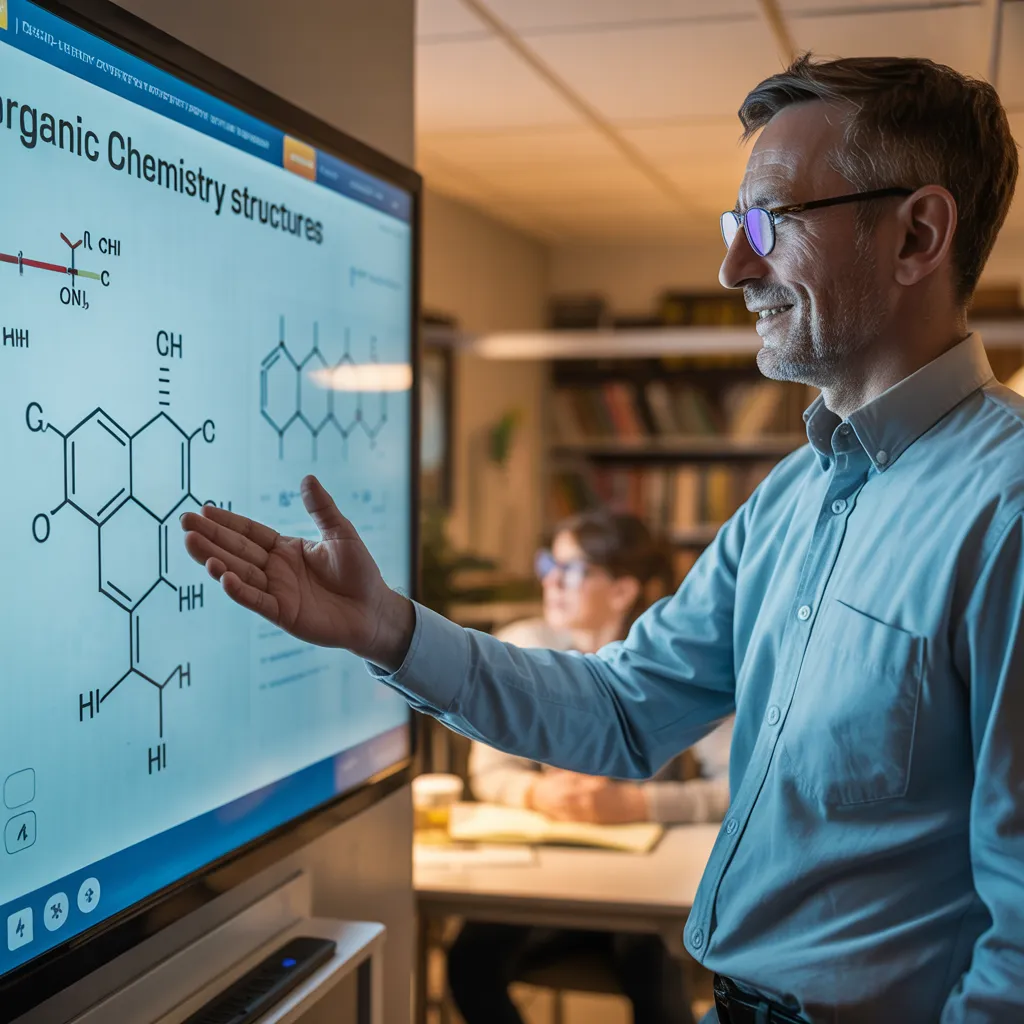
Students can significantly improve their comprehension while preparing for chemistry exams by making use of visual aids and resources. Visual tools such as diagrams, charts, and infographics deliver graphical representations of intricate concepts, making them easier to grasp. To illustrate, students can better understand molecular structures using 3D models that help visualize spatial relationships.
Additionally, videos and animations can demonstrate chemical reactions and transformations, delivering engaging presentations that textbooks may lack. Flashcards work as powerful tools for learning important terms and equations, strengthening knowledge retention through active retrieval.
Digital learning environments often feature interactive simulations that permit students to manipulate variables in experiments, enhancing their comprehension of scientific principles. By embedding these visual aids into their study routines, students not only enhance retention but also promote a more engaging learning experience. Finally, employing diverse resources creates a comprehensive approach to mastering chemistry.
Effective Time Management Strategies
Proper time management is vital for academic success, specifically during exam preparation. Students should give priority to their study sessions and focus on the most important topics, ensuring they dedicate adequate time for each subject. Furthermore, setting realistic goals can help preserve motivation and track progress throughout the study period.
Make a Priority of Academic Sessions
Numerous students discover that prioritizing study sessions significantly improves their time management skills and general academic performance. By determining the most important topics or concepts that call for attention, students can apportion their time more effectively. This approach empowers them to concentrate on their weaknesses, reinforcing their understanding of complex material. Developing a consistent study schedule helps to create a routine, making it less difficult to balance academic responsibilities with personal commitments. Additionally, prioritizing study sessions encourages students to remove distractions, encouraging a more productive learning environment. Using tools such as to-do lists or digital calendars can assist in organizing study time, verifying that students stay on track. Eventually, prioritizing study sessions is a vital strategy for achieving success in chemistry and other subjects.
Create Realistic Goals
Setting realistic goals is a fundamental element of successful time management for students. By setting attainable objectives, students can more effectively distribute their study time and resources, providing a structured approach to their learning. Practical targets aid in breaking down challenging subjects like chemistry into manageable tasks, minimizing feelings of overwhelm. This strategic segmentation allows students to zero in on one concept at a time, encouraging deeper understanding and retention. Furthermore, setting well-defined and time-bound (SMART) goals empowers students to track their progress and adjust their study plans as needed. Eventually, realistic goal-setting encourages motivation and accountability, resulting in better performance and confidence in exam situations. Students who implement this strategy into their study routines are more likely to succeed.
Collaborative Study Groups and Learning
Working similar article together in study groups enriches the learning process by fostering a dynamic environment where students can exchange ideas and assist with each other's understanding of complex topics. In chemistry, where concepts can be intricate, these groups enable students to approach difficult material together. By discussing problems and explaining concepts to peers, students often reinforce their own understanding while supporting others.
Furthermore, study groups foster diverse perspectives, as each member may tackle a topic differently, creating a more thorough grasp of the subject matter. Regular meetings can help sustain accountability, motivating students to keep up with their studies. In addition, the social aspect of collaboration can lessen stress, creating a supportive network that fosters persistence. Finally, collaborative learning and study groups not only enhance comprehension but also build essential skills such as teamwork and communication, which are vital for success in both academic and professional settings.
Continuous Assessment and Feedback
Routine testing and immediate responses constitute fundamental aspects of productive learning. In the context of chemistry tutoring, they serve as critical tools for gauging student understanding and identifying areas for improvement. Regular tests and mock examinations both strengthen concept retention and assist learners in developing assurance in their understanding.
Promptly provided feedback enables students to recognize mistakes and master the underlying concepts, promoting deeper comprehension. Tutors can tailor their instruction based on assessment results, ensuring that each student receives individualized attention.
In addition, regular assessments promote accountability and motivate students to engage consistently with the content. By implementing a routine of evaluation, students turn more competent at self-assessment, preparing them for the challenges of actual exams. To summarize, incorporating regular assessments and constructive feedback into chemistry tutoring creates a dynamic learning environment that fosters academic success.
Your Questions Answered
How Do I Locate a Great Chemistry Tutor?
To find a quality chemistry tutor, one should seek recommendations, review online reviews, assess qualifications, and interview prospective candidates. A trial session can also help to determine compatibility and teaching effectiveness for specific learning needs.
What Qualifications Should I Search for in a Tutor?
While looking for a chemistry tutor, one must prioritize qualifications like a relevant degree in education or chemistry, instructional experience, strong communication skills, and a solid track record of guiding students obtain academic success.
How Much Will Tutoring Cost Me?
Expect to pay between $30 to $100 per hour for tutoring, based on the tutor's qualifications, experience, and location. Rates may vary, so evaluating different choices can help discover the best fit for financial constraints and needs.
Can Online Tutoring Be as Effective as In-Person Sessions?
Digital tutoring is often as effective as in-person sessions, contingent upon the educator's skill set, the student's study methods, and the resources utilized. Tailored guidance and interactive tools often elevate the web-based educational experience significantly.
How Do I Stay Motivated During Tutoring Sessions?
To stay motivated during tutoring sessions, one should set specific goals, maintain a positive mindset, actively take part in discussions, and reward themselves for achieving milestones, fostering an environment conducive to learning and personal growth.